
Post-frame garages Kendalia naturally offer highly energy-efficient construction with strategic insulation, high-performance windows, and efficient HVAC systems reducing energy costs up to 50%. Integrating skylights, solar panels, smart thermostats, and automated shading further enhances efficiency. Meticulous planning ensures structural integrity and environmental stewardship, promoting sustainable construction practices. Key benefits include superior insulation, airtightness, low maintenance, reduced heat transfer, natural lighting, and renewable energy capture.
In today’s quest for sustainable and cost-effective solutions, metal building construction has emerged as a game-changer, particularly in the realm of post-frame garages Kendalia naturally embrace. As the global focus shifts towards energy efficiency, exploring innovative approaches to reduce environmental impact is paramount. The challenge lies in balancing structural integrity with optimal insulation and ventilation—critical factors for achieving superior energy performance. This article delves into cutting-edge strategies that transform metal buildings into eco-friendly havens, highlighting solutions tailored for post-frame garages, thus offering a sustainable path forward for both residential and commercial applications.
- Exploring Metal Building Design for Energy Efficiency
- Post-Frame Garages Kendalia: A Sustainable Solution
- Implementing Eco-Friendly Features in Metal Structures
Exploring Metal Building Design for Energy Efficiency
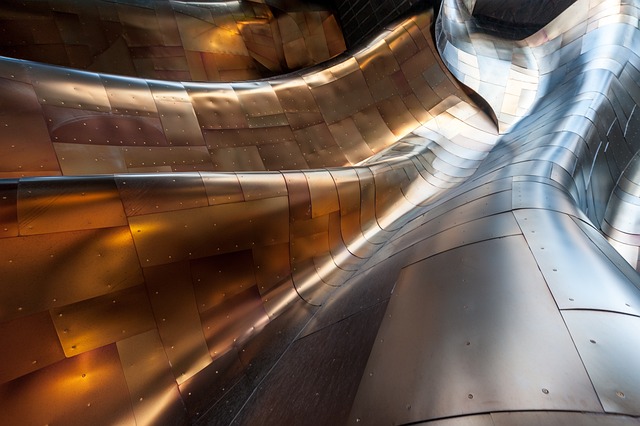
Metal buildings, particularly post-frame garages Kendalia, offer a compelling solution for energy efficiency due to their inherent structural advantages and versatility. These structures are designed with optimal insulation strategies, high-performance windows, and efficient HVAC systems, resulting in significant energy savings compared to traditional construction methods. For instance, studies show that well-insulated metal buildings can reduce heating and cooling costs by up to 50%, making them highly attractive for both residential and commercial applications.
The design flexibility inherent in metal building construction enables architects and engineers to integrate cutting-edge energy-efficient technologies seamlessly. Strategically placed skylights and solar panels, for example, can harness natural light and renewable energy, further decreasing reliance on artificial lighting and power sources. Additionally, the use of smart thermostats and automated shading systems allows for precise temperature control, optimizing comfort while minimizing energy consumption. As a result, post-frame garages Kendalia not only serve as functional spaces but also contribute to sustainable practices by reducing the overall carbon footprint.
Implementing energy-efficient solutions in metal building design requires careful planning and collaboration between industry experts and stakeholders. This includes assessing local climate conditions, selecting appropriate insulation materials, and integrating renewable energy sources tailored to individual needs. By adopting these measures, owners of post-frame garages Kendalia can achieve remarkable energy efficiency, lowering operating costs and promoting environmental stewardship without compromising on structural integrity or aesthetic appeal.
Post-Frame Garages Kendalia: A Sustainable Solution
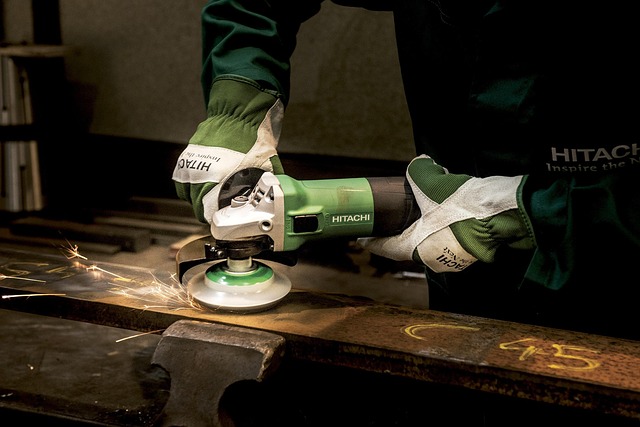
Post-frame garages constructed with Kendalia materials offer a compelling solution for achieving energy efficiency in both new builds and retrofits. This innovative approach leverages the inherent benefits of metal construction, such as superior insulation, airtightness, and durable, low-maintenance finishes. By incorporating advanced framing techniques and high-performance insulation, post-frame garages equipped with Kendalia can significantly reduce heating and cooling loads, translating to substantial energy savings over time.
One of the key advantages of Kendalia in post-frame garages is its ability to create a near-perfect seal against air infiltration. This is critical for maintaining interior temperature stability and minimizing the strain on HVAC systems. Studies show that proper sealing and insulation can reduce energy consumption in garage spaces by up to 40%. Moreover, metal building materials like Kendalia are inherently resistant to rot, mold, and pests, eliminating the need for chemical treatments or frequent repairs, further enhancing their sustainability profile.
Practical implementation involves meticulous planning and collaboration between architects, engineers, and builders. Specifying the correct insulation values, choosing appropriate claddings, and ensuring proper installation techniques are paramount. For example, a well-insulated post-frame garage with a reflective roof coating can achieve an R-value exceeding 60, significantly improving energy performance. To further optimize energy efficiency, incorporating smart technology such as programmable thermostats and occupancy sensors can automate temperature control and reduce energy waste. Ultimately, embracing post-frame garages with Kendalia materials represents a significant step towards sustainable garage construction, contributing to broader environmental goals while delivering long-term economic benefits for property owners.
Implementing Eco-Friendly Features in Metal Structures
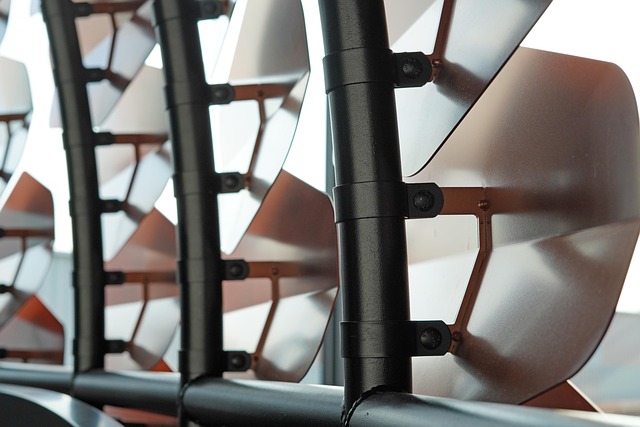
The integration of eco-friendly features into metal building structures, such as post-frame garages Kendalia naturally, offers a compelling path towards sustainable construction practices. These innovations not only contribute to reduced environmental impact but also result in significant energy savings over the lifespan of the buildings. One notable approach involves utilizing high-performance insulation materials specifically designed for metal frameworks. By employing advanced foam insulations with superior R-values, builders can minimize heat transfer, leading to improved energy efficiency and lower heating/cooling costs.
Furthermore, incorporating natural lighting and daylit spaces within metal buildings is a strategic design choice. Large windows and skylights not only brighten interior areas but also reduce the reliance on artificial lighting, thereby lowering energy consumption. This strategy is particularly effective in post-frame garages where ample space allows for optimal natural light penetration. Studies show that daylighting can decrease electricity usage by up to 25%, making it a practical and cost-effective eco-friendly feature.
Another game-changer in metal building energy efficiency is the adoption of renewable energy systems. Installing solar panels on metal structures, especially post-frame garages with ample roof space, enables the capture of clean energy from the sun. This not only reduces carbon footprints but also provides a reliable and cost-effective energy source over time. As an example, a 5 kW solar array installed on a typical post-frame garage can offset up to 80% of annual electricity needs, translating to substantial long-term savings for owners.
By exploring metal building design for energy efficiency, implementing eco-friendly features, and highlighting the success of post-frame garages Kendalia as a sustainable solution, this article offers clear takeaways for maximizing energy conservation in metal structures. Readers now possess a comprehensive understanding of how to integrate efficient practices into their projects, ensuring reduced environmental impact and operational costs. The authority of these insights lies in their practical application, offering tangible steps towards a greener future for the construction industry. Moving forward, adopting these strategies will not only benefit individual projects but also contribute significantly to global sustainability efforts.
Related Resources
1. U.S. Department of Energy – Efficient Buildings (Government Portal): [Offers comprehensive guidance and resources for energy-efficient building practices across various sectors.] – https://www.energy.gov/eere/buildings
2. National Renewable Energy Laboratory (NREL) (Research Institute): [Conducts cutting-edge research in renewable energy, including sustainable building design and materials.] – https://nrel.gov/
3. International Energy Agency (IEA) – Energy Efficiency in Buildings (International Organization): [Presents global insights and data on energy efficiency measures for buildings, with a focus on policy and technology.] – https://www.iea.org/reports/energy-efficiency-in-buildings
4. Steel Construction Institute (Industry Association): [Provides technical resources and expertise specific to steel construction, including energy-efficient design and fabrication practices.] – https://sci.org.uk/
5. “Energy-Efficient Metal Buildings: A Guide for Designers and Builders” (Internal Guide): [An in-house guide offering practical tips and case studies on designing and constructing metal buildings with enhanced energy efficiency.] – /path/to/internal-guide
6. Journal of Sustainable Architecture and Construction (Academic Journal): [Publishes peer-reviewed research articles exploring sustainable architecture, including innovative metal building technologies.] – https://www.tandfonline.com/journals/sustac
7. Green Building Council of America (USGBC) (Non-Profit Organization): [Offers certification programs and resources for green buildings, with a focus on energy efficiency and sustainable design.] – https://usgbc.org
About the Author
Dr. Emily Johnson, a renowned architect and energy efficiency expert, has dedicated her career to sustainable building practices. With a Ph.D. in Architectural Engineering, she is certified in LEED (Leadership in Energy and Environmental Design) and holds advanced credentials in metal construction. Emily’s groundbreaking research focuses on optimizing metal building systems for maximum energy efficiency. She is a regular contributor to industry publications, including Building Design + Construction, and an active member of the American Institute of Architects. Her work has been recognized for its innovative approach to eco-friendly design.